
Social Media for Planned Giving (Part 1): Yes, Your Donors Are Actually Online
I'll be honest, when I first suggested putting our planned giving marketing on social media, one of our board members actually laughed. Not a polite chuckle, but a full-on "that's the funniest thing I've heard all week" kind of laugh.
"Our donors are 70 years old," she said, shaking her head. "They're not on Facebook posting cat videos. They're reading the newspaper with their morning coffee."
I get it. I really do. There's this persistent myth floating around nonprofit circles that legacy donors, the folks thinking about bequests and charitable gift annuities, are somehow living in a pre-internet bubble. That they've never seen a smartphone, don't know what Instagram is, and think "TikTok" is the sound a clock makes.
Spoiler alert: That's not even close to reality.
The Wake-Up Call I Needed
Here's what changed my mind completely. Last year, I was scrolling through Facebook (ironically, during a fundraising conference) when I saw my own 72-year-old aunt sharing a video about creating a legacy through charitable giving. She'd joined a "Legacy Society" Facebook group for a local animal shelter and was actively commenting on posts about planned giving options.
My aunt. The woman who still prints out MapQuest directions.
That's when it hit me: I'd been making assumptions based on stereotypes, not data. So I started digging, and what I found made me rethink our entire planned giving marketing strategy.

The Numbers Don't Lie (And They Surprised Me)
Ready for some stats that might blow your mind?
According to recent research, over 70% of adults aged 50-64 are active on social media. But here's the kicker, nearly 50% of those over 65 are logging on regularly too. That's not some tiny niche audience. That's millions of potential planned giving donors scrolling, liking, and engaging every single day.
Facebook remains the dominant platform for older demographics, with users over 65 being one of the fastest-growing segments. Instagram isn't far behind, especially among the 55-65 age group who are in that sweet spot for legacy giving conversations.
But what really convinced me wasn't just that donors are online, it's what they're doing there. They're joining cause-based groups. They're watching nonprofit videos. They're sharing stories about organizations they care about. They're literally creating digital communities around the causes that matter to them.
The Humane Society of the United States figured this out before most of us. When they integrated social media into their planned giving program, they saw immediate positive impacts on gift expectancies, new planned giving leads, and donor acquisition. Not "eventual" results. Not "maybe someday" outcomes. Immediate impact.
Why Social Media Actually Works for Legacy Conversations
Here's the thing about planned giving that took me way too long to understand: people need to see the message multiple times before it clicks. Nobody wakes up one morning and spontaneously decides to include your nonprofit in their estate plan. It's a slow burn, a gradual warming up to the idea.
And you know what's perfect for repeated exposure? Social media.
Think about it. Your donors are checking Facebook during their morning coffee. They're scrolling Instagram during lunch breaks. They're watching videos while waiting in line at the grocery store. Every single one of those moments is an opportunity for your planned giving marketing message to show up in their feed, gently reminding them that legacy giving is an option.
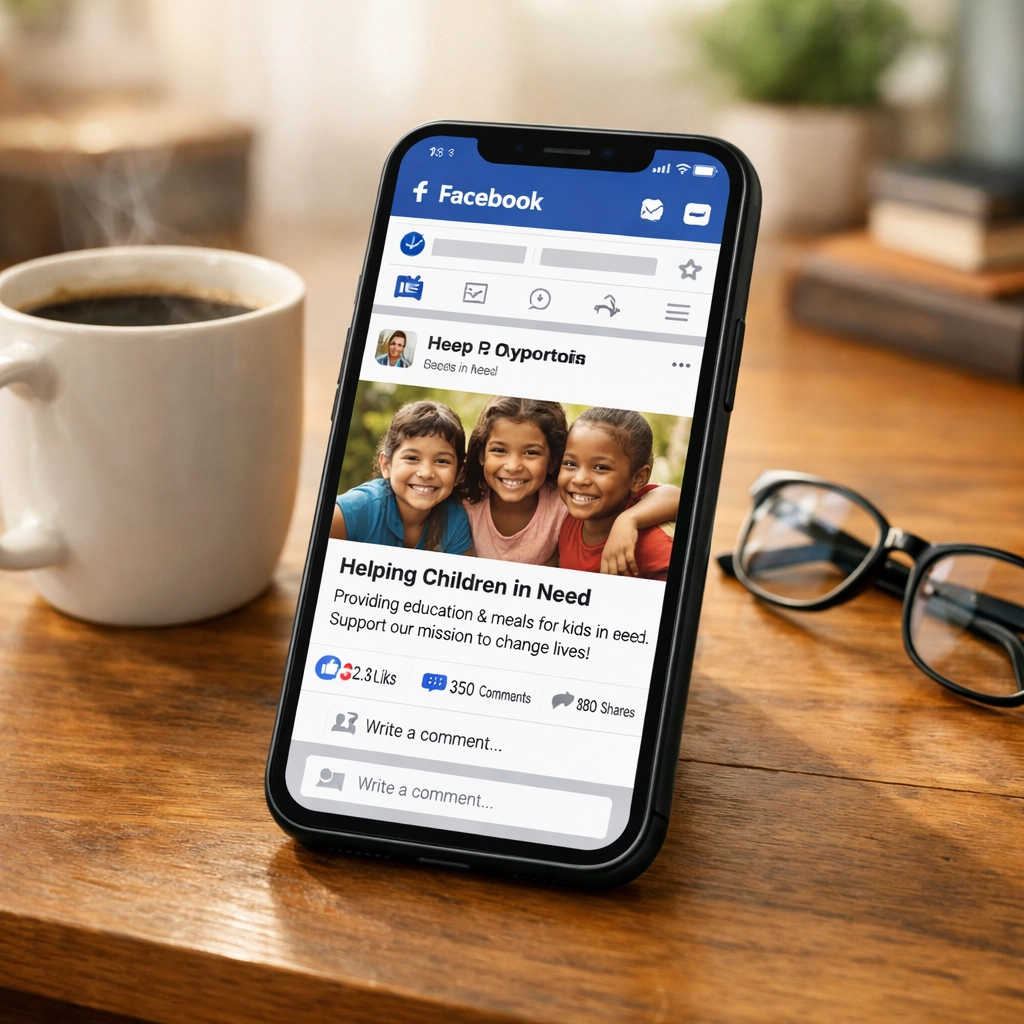
It's what marketers call "surround-sound marketing," and it's incredibly effective. The Central Park Conservancy used this approach, promoting planned giving across newsletters, emails, and social media, and brought in 13 completed gifts valued at $782,600. They didn't rely on one channel. They showed up everywhere their donors were, including (especially) on social media.
But Wait, Isn't This All Too Complicated?
I'm not going to lie: when I first started looking into social media for planned giving marketing, I felt completely overwhelmed. Should we be on Facebook? Instagram? LinkedIn? All of the above? What do we even post?
The beauty of this series (and yes, we've got nine more parts coming your way) is that we're going to break it all down into manageable pieces. By the end, you'll know exactly which platforms matter, what content resonates, and how to create a strategy that doesn't require you to become a full-time social media manager.
But first, you need to get past this mental block that your donors aren't online. Because they are. Right now. Probably while you're reading this.
The Real Reason Nonprofits Avoid Social Media for Planned Giving
Want to know what I think is really going on? It's not that we believe donors aren't on social media. Deep down, we know they are. The real issue is that social media feels scary because it's public, it's fast-moving, and it requires a different kind of communication than the formal, buttoned-up language we're used to in planned giving.
We're afraid of saying the wrong thing. Of being too casual about something as serious as estate planning. Of looking unprofessional or pushy.
But here's what I've learned: donors actually prefer authentic, conversational content on social media. They're not looking for legal jargon or dense paragraphs about charitable remainder trusts. They want stories. They want to see the impact. They want to feel connected to your mission in a way that makes leaving a legacy feel natural, not transactional.
What's Coming in This Series
Over the next nine posts, we're going to dive deep into every aspect of using social media for planned giving marketing. We'll cover:
- Which platforms matter most (and which ones you can safely ignore)
- What types of content actually spark legacy conversations
- How to target the right audience without wasting your ad budget
- Real examples of posts that work (and why)
- How to measure success beyond just likes and shares
- Ways to integrate social media with your other planned giving efforts
- Mistakes to avoid (learned from my own painful trial and error)
- Tools and resources that make this manageable
My goal is to make this so straightforward that even if you've never posted anything more complicated than a birthday announcement, you'll feel confident launching a social media strategy for planned giving.
The Bottom Line
Your donors are online. They're scrolling. They're watching. They're engaging. The only question is whether your nonprofit is showing up in those digital spaces with planned giving content that meets them where they are.
This isn't about abandoning traditional marketing methods. Direct mail still works. Personal conversations are still crucial. But if you're ignoring social media because you think your donors aren't there, you're missing out on one of the most effective channels for planned giving marketing in 2026.
Trust me on this one. Even my aunt is proof.
Love the idea of using social media for planned giving marketing but don't have the time to manage it yourself? Let our team at Planned Giving Training handle the strategy and execution for you. We'll create the content, manage the posts, and help you reach legacy donors where they're already spending their time. Reach out to us to learn more about our done-for-you services.
Next up in this series: Part 2 will dive into which social media platforms actually matter for planned giving (hint: you don't need to be everywhere).